Case Study: Digital Narrative
Abiding & Over The Ice: Sound as Ecological Narrative
Introduction
This project began as a response to the short film Crying Glacier, which uses sound and imagery to frame glaciers as active, vulnerable presences rather than static geological formations. The film’s atmospheric soundscape prompted a central question:
How might a digital narrative be told entirely through sound, with the environment itself as the protagonist?
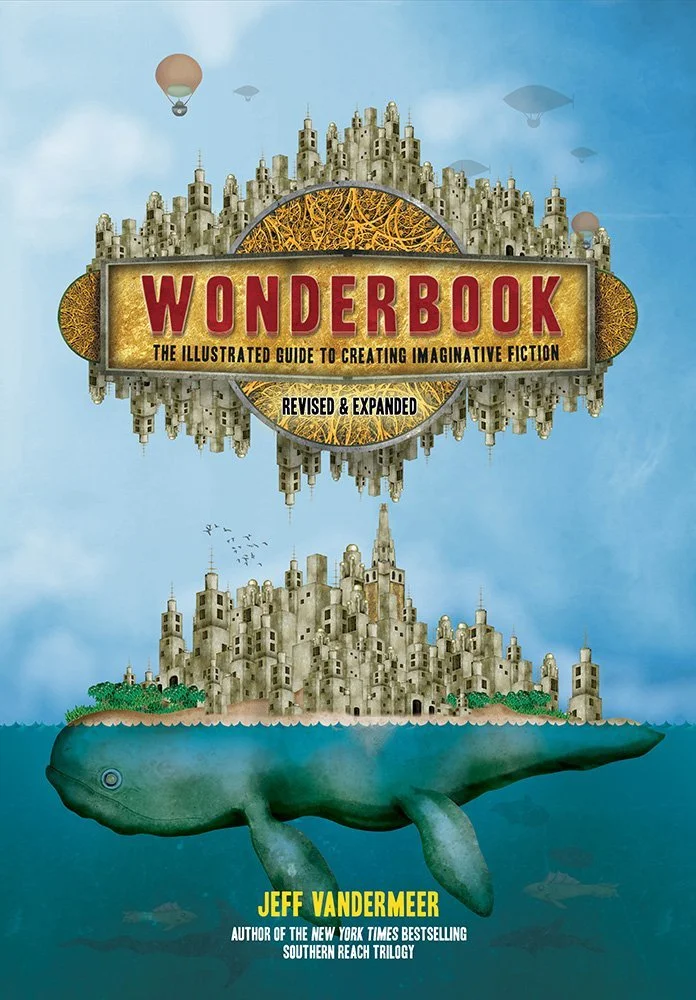
Guided by this question, I composed two original audio tracks that explore non-human perspectives within a shared glacial landscape. Drawing on Jeff Vandermeer’s Wonderbook, particularly the ideas of world as character, non-human perspective, and story as ecosystem, I approached sound design and musical structure as tools for environmental storytelling rather than accompaniment.
The resulting compositions - Abiding and Over The Ice - offer two sonic vantage points into the same frozen world. Abiding gives voice to the glacier itself, informed by glaciological research and real-world recordings of glacier activity. Over The Ice reflects the perspective of a bird moving across and above the glacier, emphasizing mobility, perception, and interdependence.
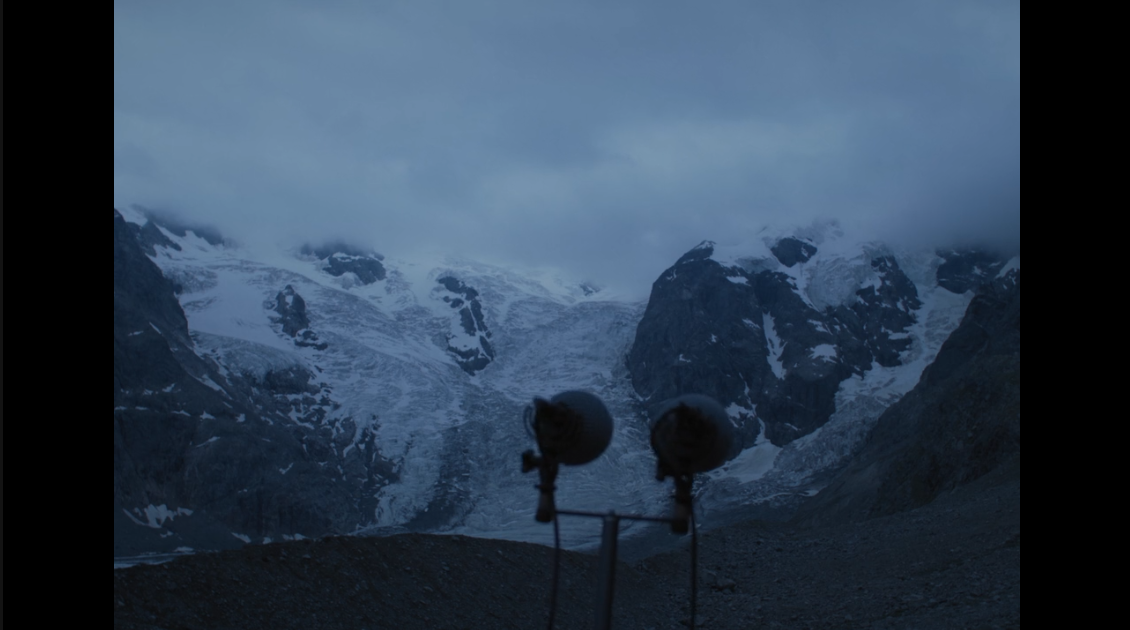
Still from the film Crying Glacier by Lutz Stautner
Together, these tracks form a dual-perspective digital narrative that uses sound alone to evoke place, scale, and ecological relationship. This case study outlines the challenge, process, solution, and key insights that shaped the work.
The Challenge
Defining Nonhuman Narrative Voices
Glaciers do not speak in human language, yet they generate sound through cracking, meltwater flow, and internal movement. The short film Crying Glacier reframes glaciers as expressive presences rather than silent backdrops. Scientific research supports this view, describing glaciers as dynamic systems that host microbial life, internal waterways, and ongoing physical transformation (Anesio & Laybourn-Parry, 2012).

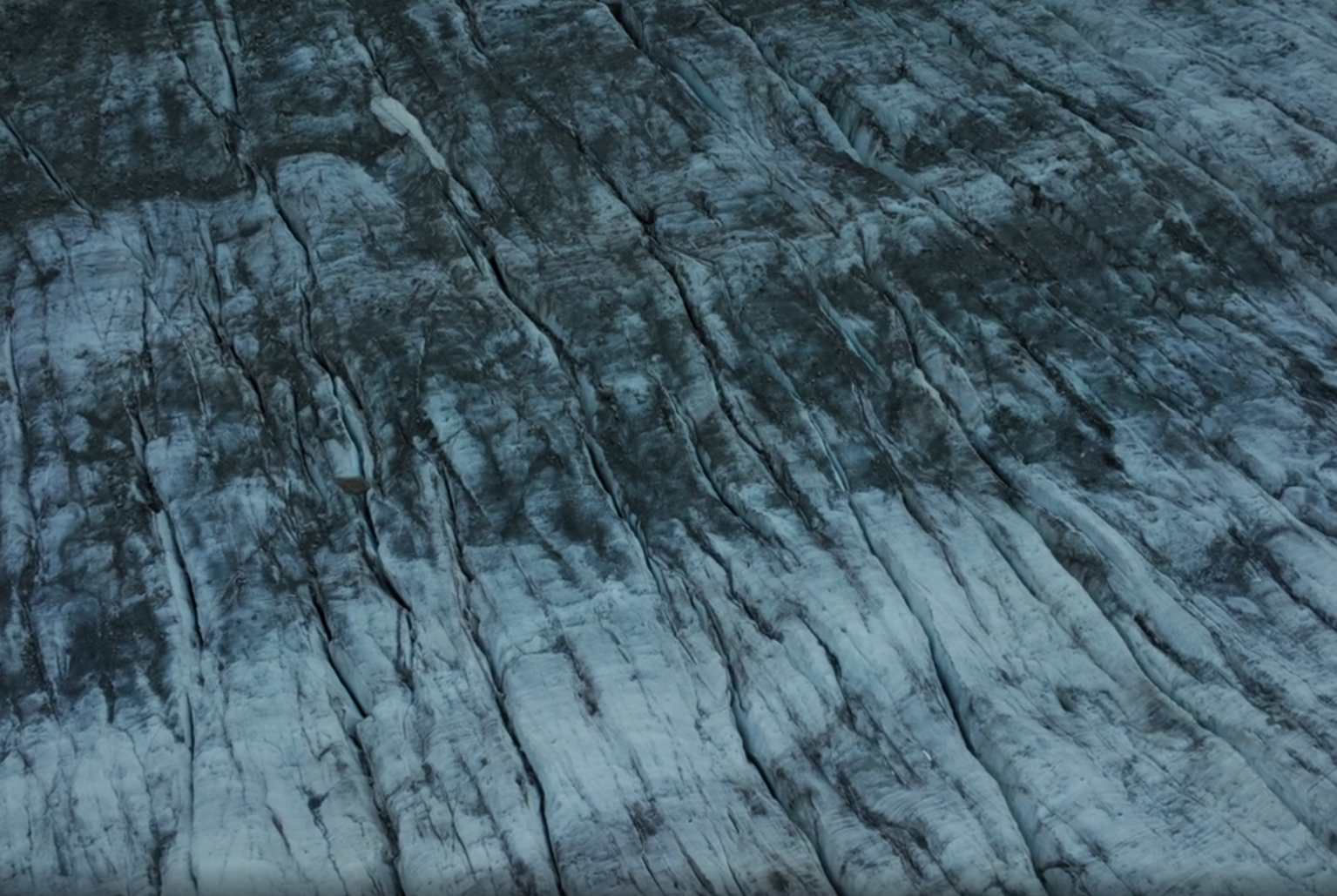
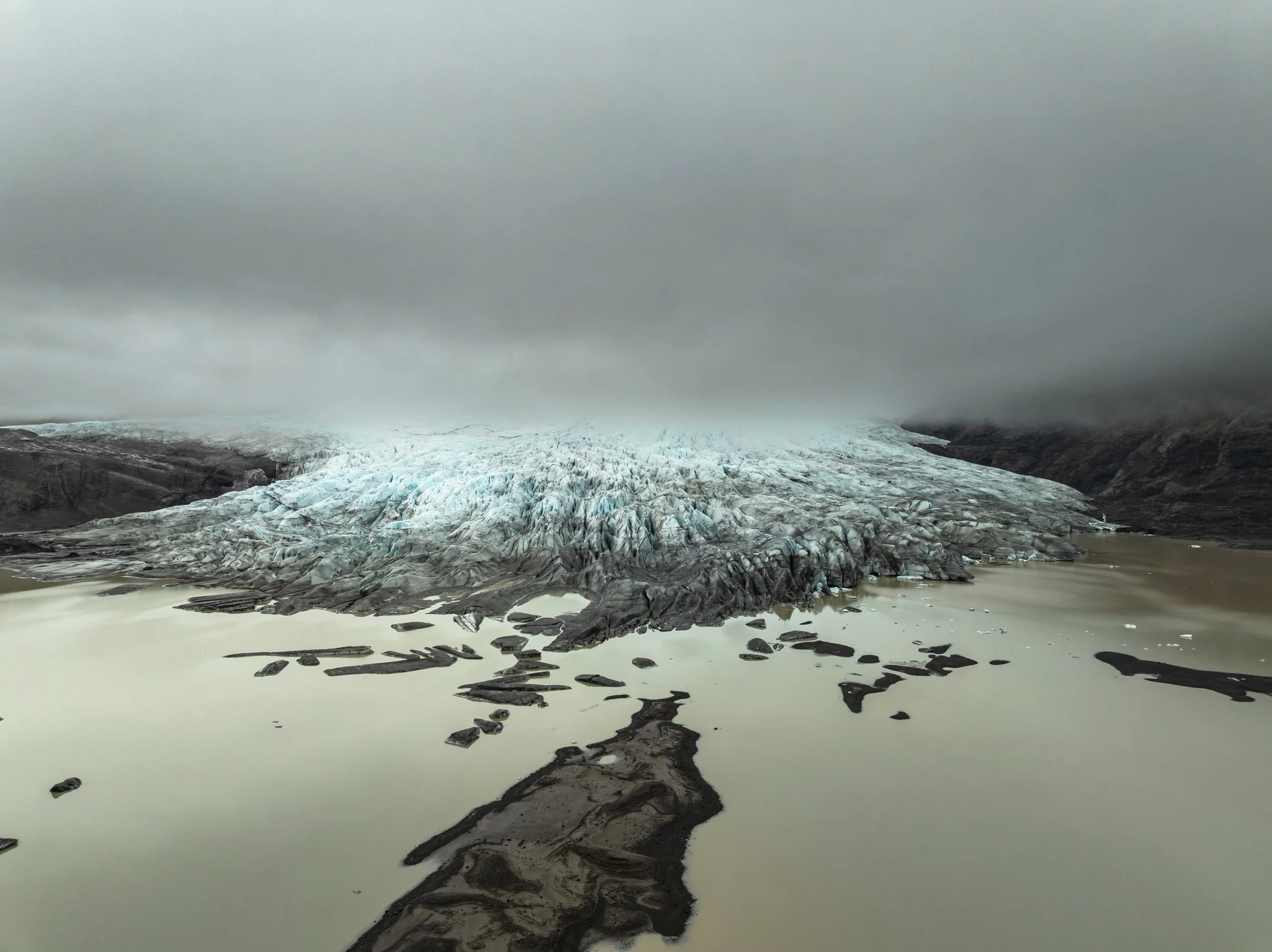
Glacier at sunrise, abiding…
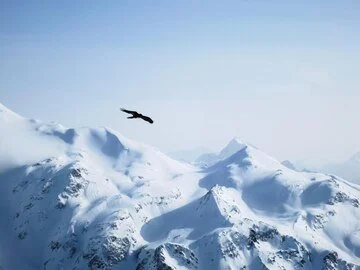
A bird aloft, above the ice…
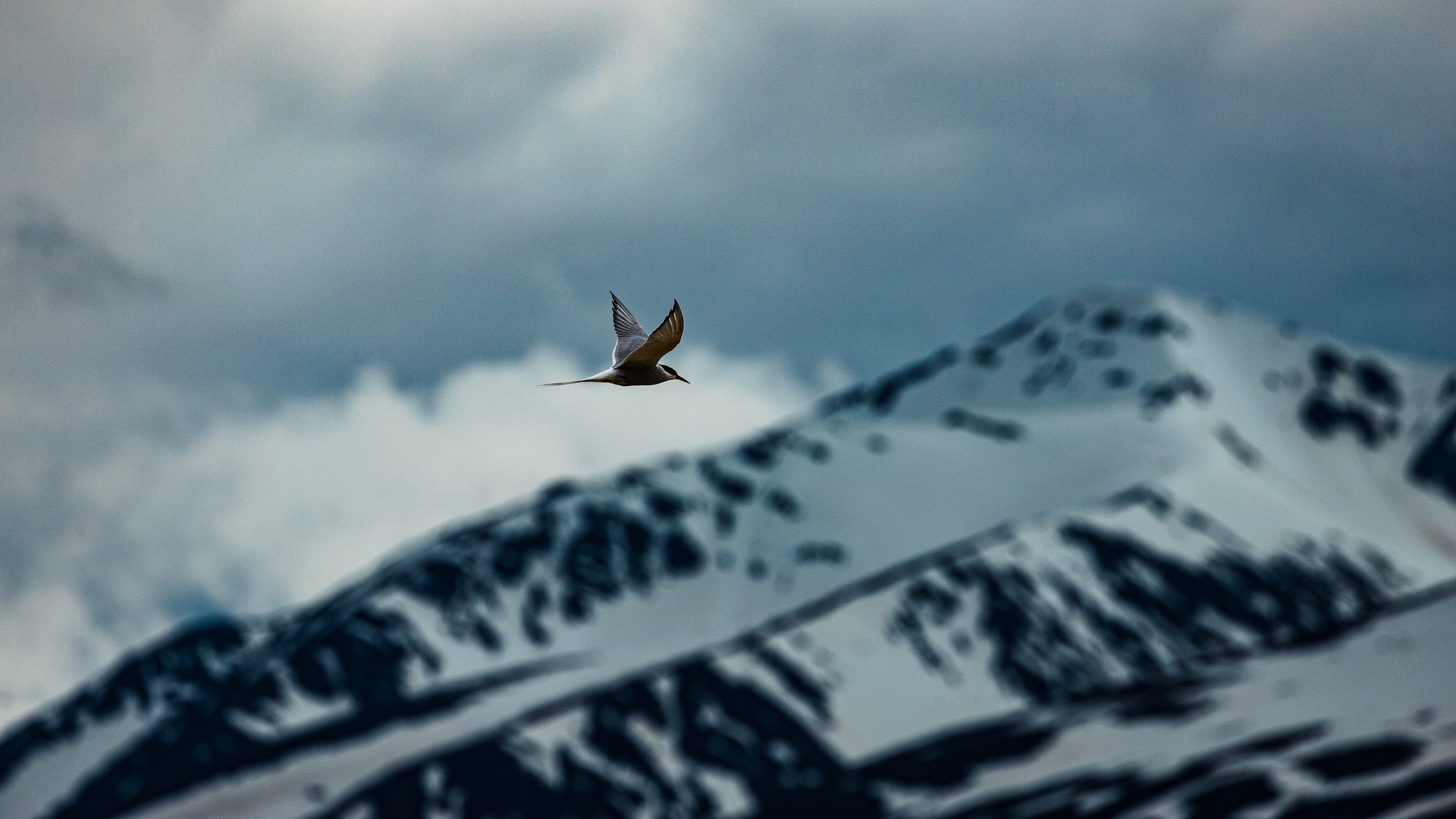
A bird aloft, over the ice…
Research
Glaciers operate on geological time, are constantly in motion, and generate sound through wind, water, and internal stress. This reframed the glacier as an active system rather than a static landscape and established a clear contrast with glacier-dependent wildlife - in this case, the avians that inhabit the region.
Abiding needed slow pacing, sustained textures, and internal movement; Over The Ice needed mobility, rhythm, and heightened sensory clarity.
A Glacial Voice
My first challenge was determining how to translate this non-human, non-sentient presence into a coherent narrative voice using sound alone:
How can music express the deep time, immense scale, and internal motion of a glacier without relying on lyrics or anthropomorphic cues?
Bird Music
A secondary challenge emerged in representing life on the glacier. Birds forage, travel, and sometimes nest on ice, experiencing the same environment through radically different sensory and temporal frameworks. While non-verbal, these animals communicate, adapt, and respond dynamically to their surroundings (Boelman et al., 2019).
How might a bird’s perspective, defined by mobility, awareness, and interaction, be expressed sonically in contrast to the glacier’s slow and grinding ontology?
My Process
Wonderbook
Narrative Intent
Using Jeff Vandermeer’s Wonderbook, I defined each track by story shape rather than plot. Sound itself would function as narrative…
Abiding: a slow, expanding spiral through epic geological mood and pace
Over The Ice: a branching, aerial path evoking mobility and the dynamics of flight
Sound Palette & Instrumentation
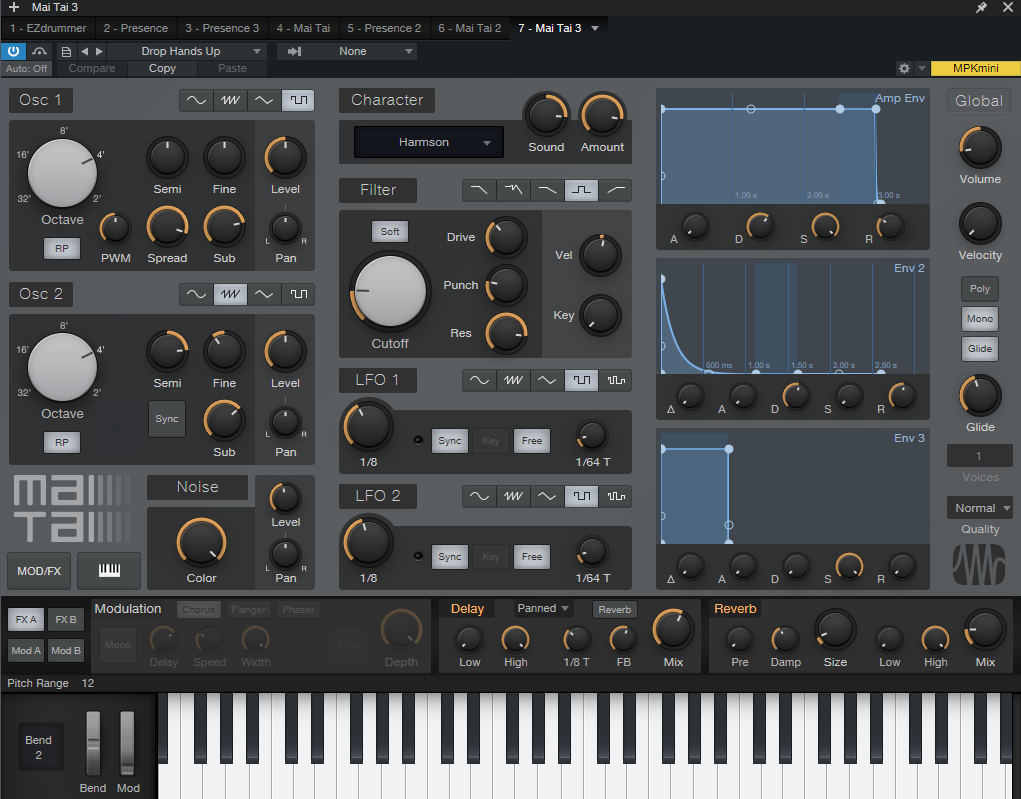
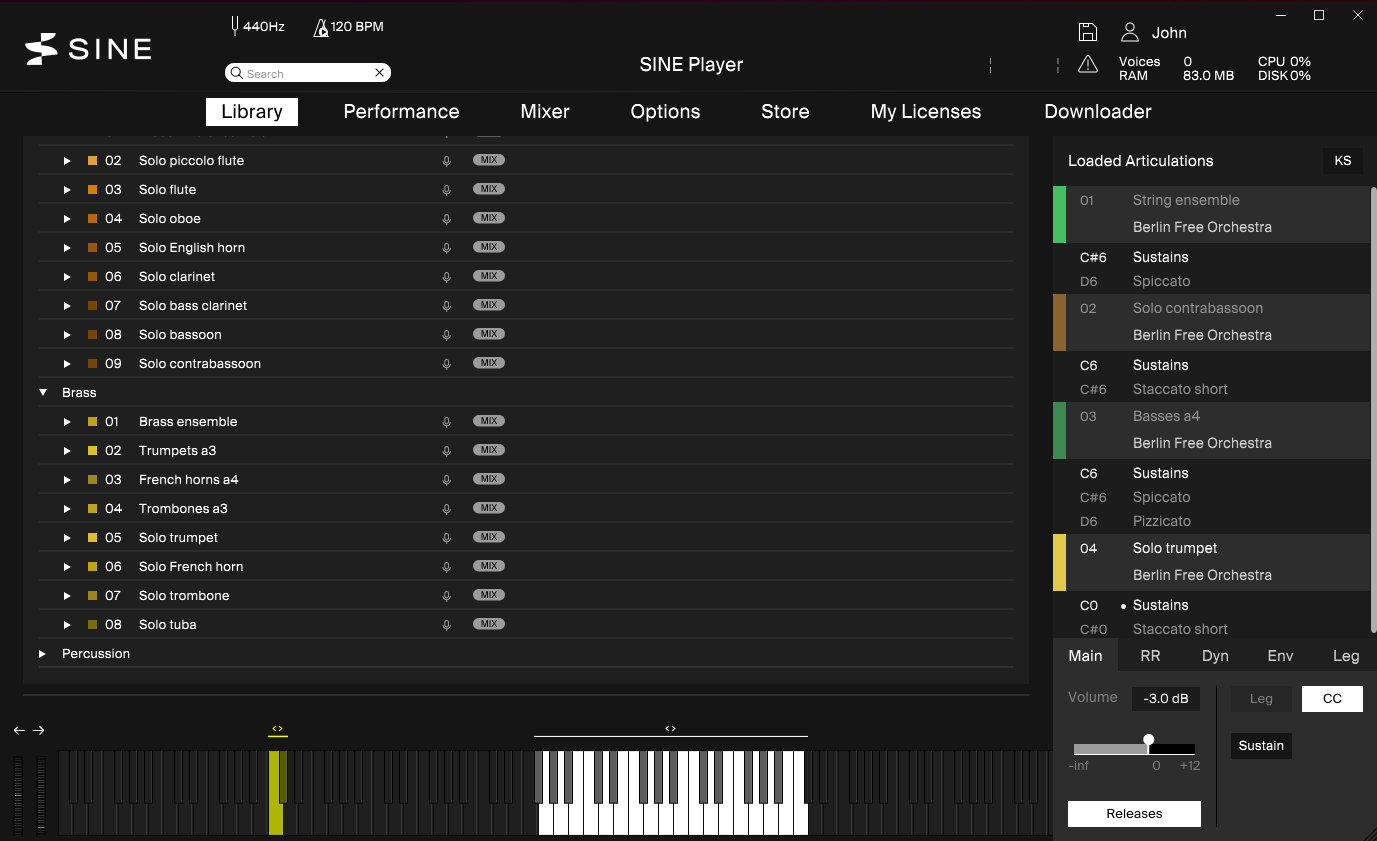
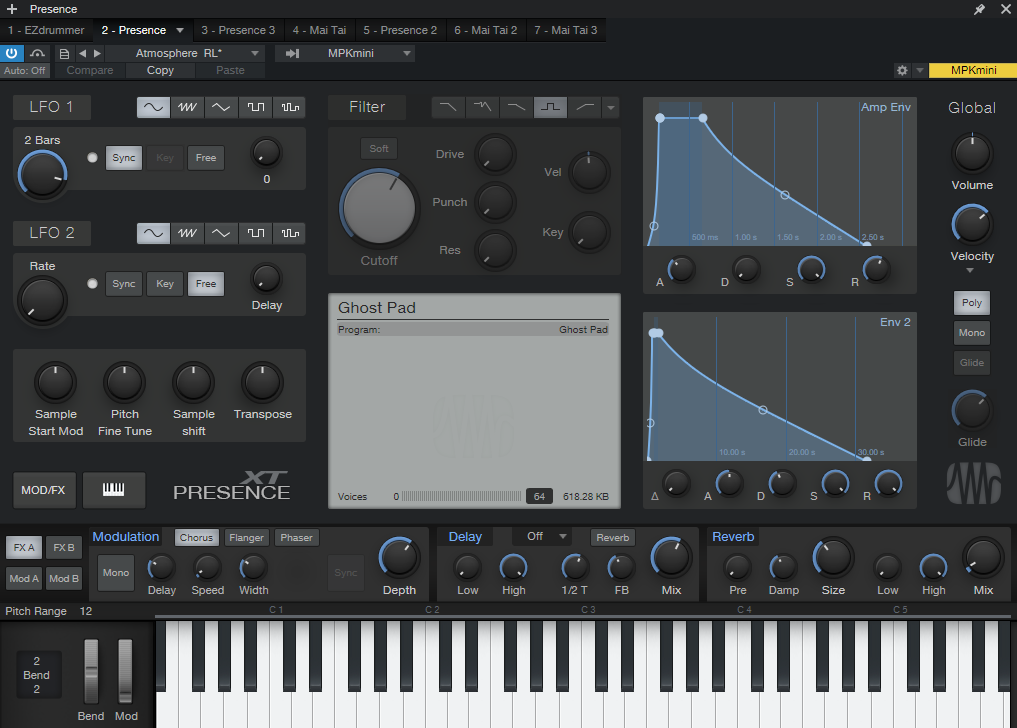
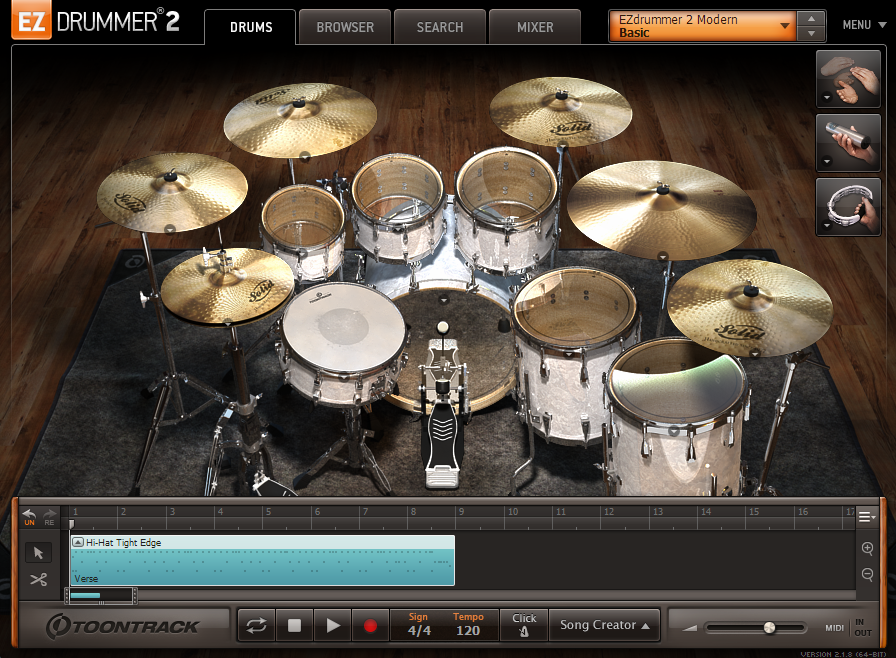
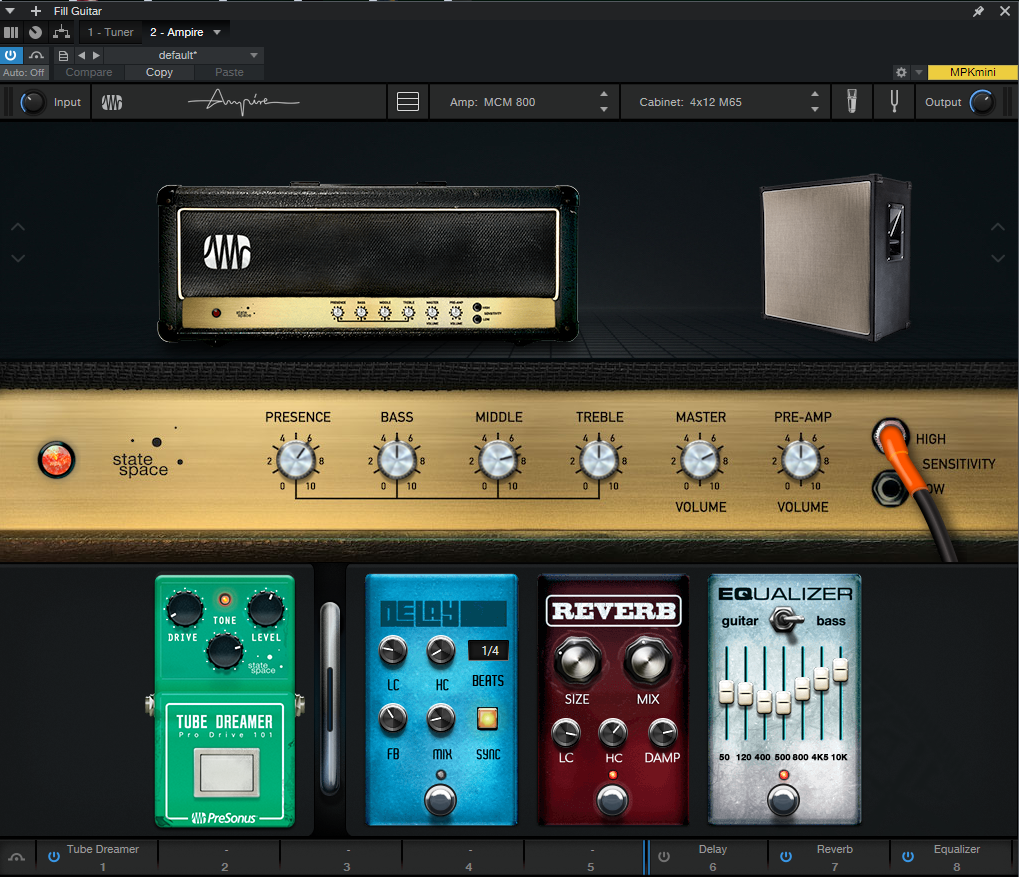
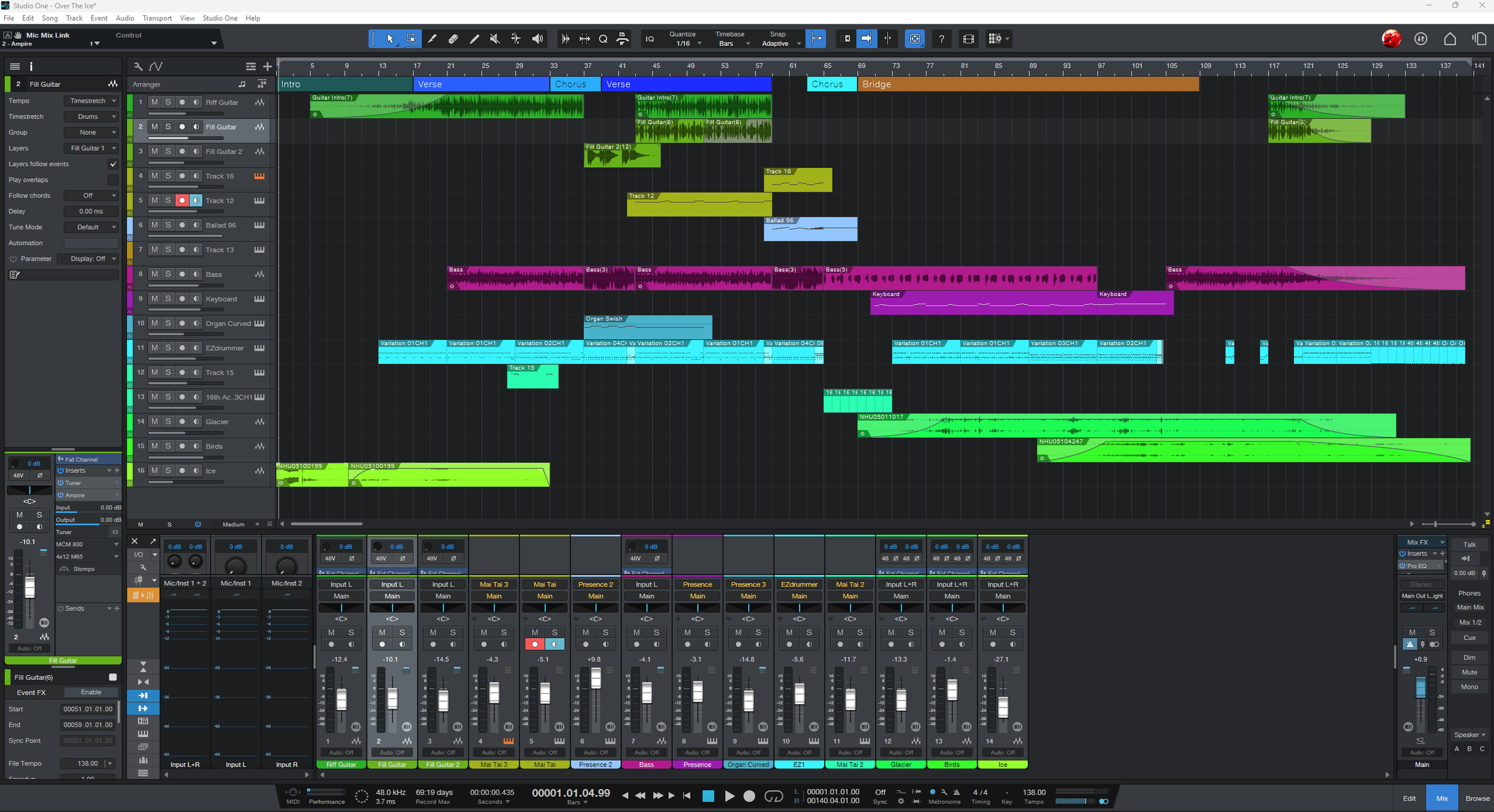
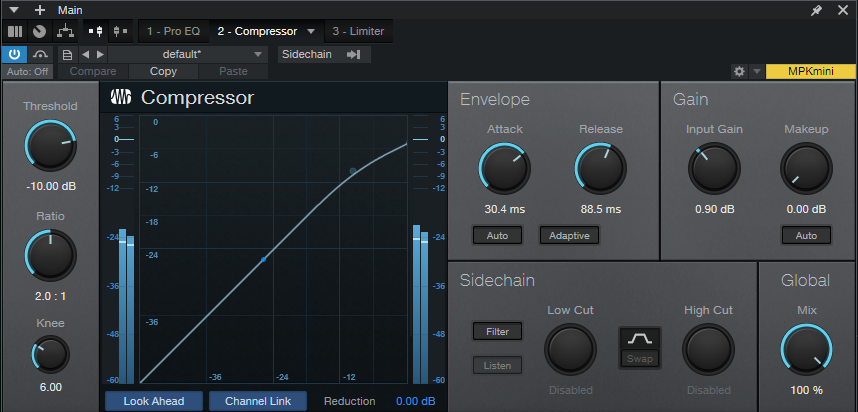
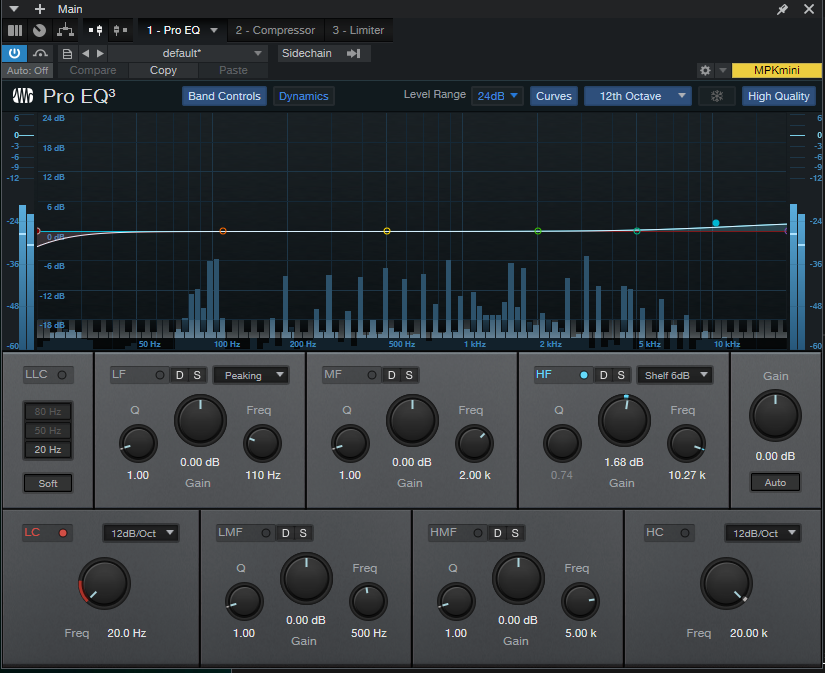
I established distinct sound palettes before composing. Instrumentation choices became definite perspective decisions! I wanted slow, building harmonic evolution and long fades for the glacier, and melodic arcs, a driving rhythmic propulsion, and altitude reminiscent dynamics for the bird track. Automation, EQ, and reverb were used to create depth of ice and rock versus the soaring heights of flight. Both tracks were composed and mixed in Presonus Studio One Pro.
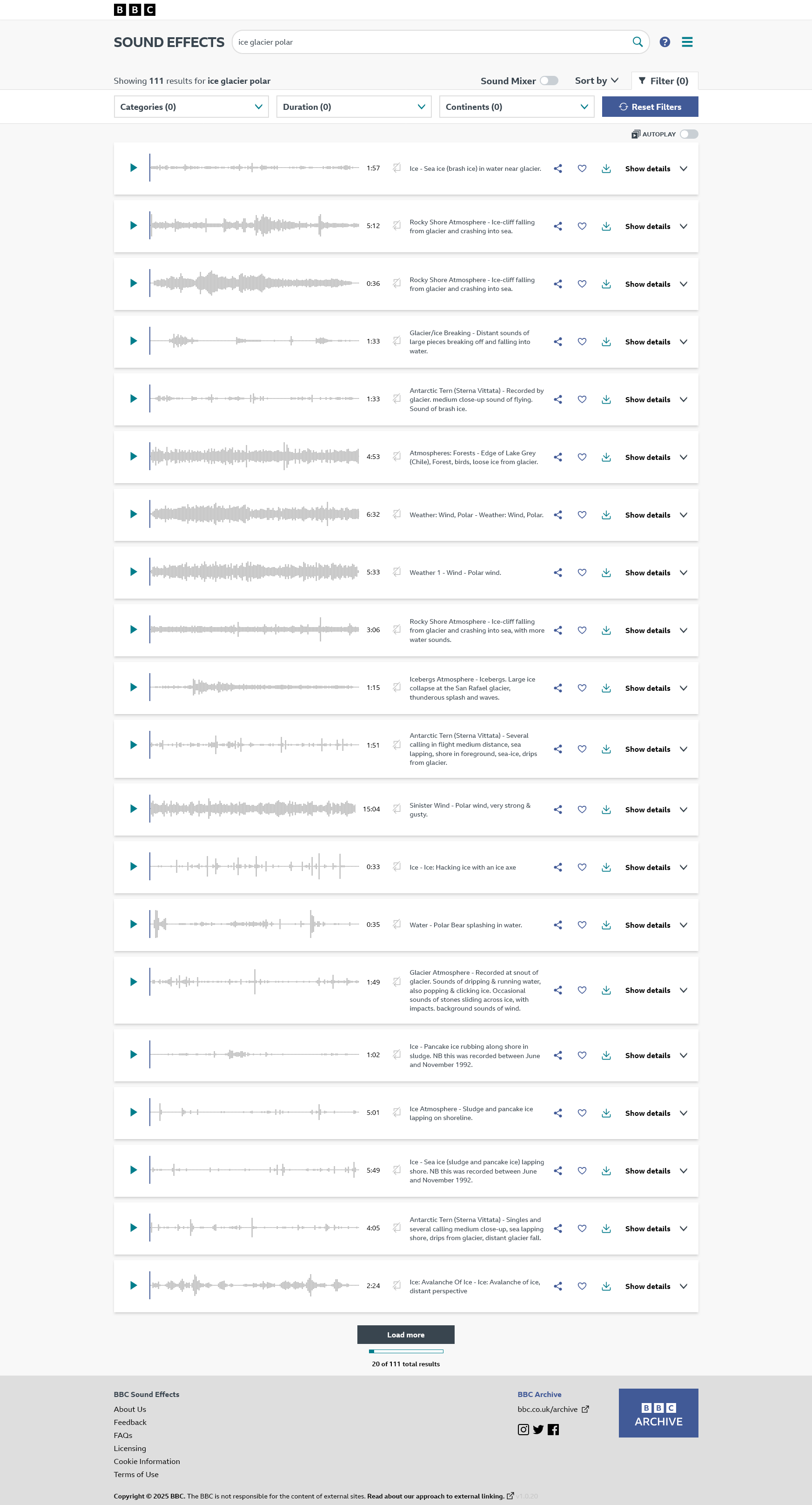
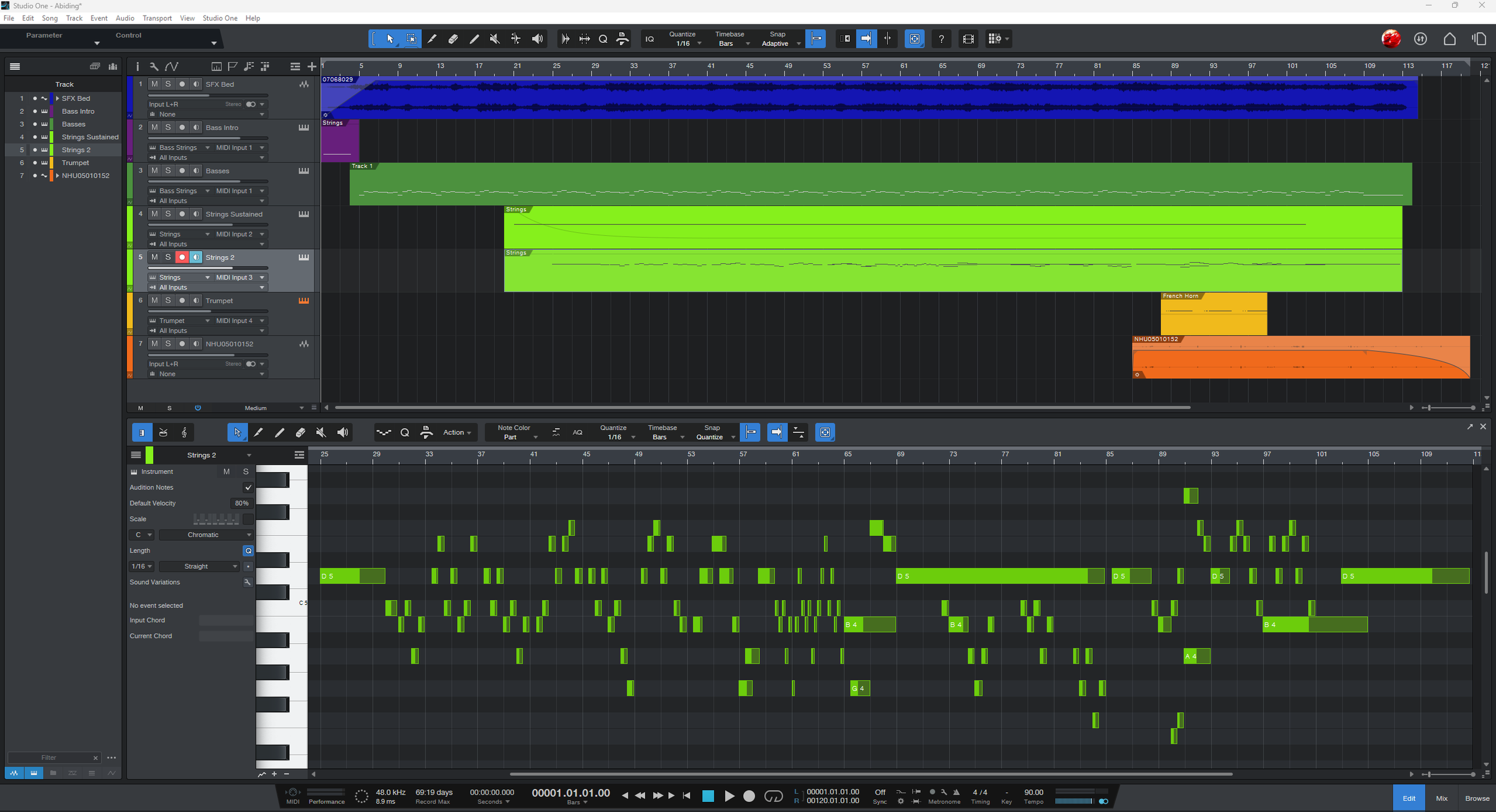
Abiding: Berlin Orchestra (bass strings, low winds, brass) + BBC sound effects library
Over The Ice: Ampire guitars, Presence & Mai-Tai synths, EZ-Drummer, BBC sound effects library
My Solution
ABIDING: The glacier
A slow, weight-driven sound world built from orchestral mass and environmental recordings; the glacier emerges as a breathing, active being.
Editing strings in Abiding
OVER THE ICE: The bird
A mobile, rhythmic soundworld emphasizing flight, awareness, and energy; a vivid, sensory-rich contrast to the glacier’s slow ontological tread.
Final mix - Over The Ice
Conclusion
This project demonstrated how digital narrative can exist beyond words and images, operating instead through immersive sonic worldbuilding. By composing Abiding and Above the Ice, I explored how sound alone can express non-human perspectives and ecological relationships that, hopefully, resound with humans when listening.
I will highlight three important insights that I gained through this project:
Perspective can be embodied musically through tempo, texture, register, and dynamics…but allowing the heart to drive the art is where the magic is.
Environmental storytelling benefits from abstraction…a glacier benefits greatly from melody, and it absolutely requires massive presence and depth when composing.
Production tools function as narrative instruments only if technical decisions are aligned with thematic intent. Tools cannot drive the process alone - selection is critical. I frequently discovered that a “less is more” approach worked best.
Together, the two tracks form a coherent ecological narrative: the glacial track establishes scale, time, and internal movement, while the bird song implies motion, dynamism, and agility. This world view approach aligns closely with Vandermeer’s narrative principles when combined with a scientific understanding of glaciers as dynamic bio-systems rather than static landscapes.
If continued, this project could expand into a larger multi-perspective soundscape or interactive listening experience, further exploring how environmental systems can be expressed through sound. Glacier rock, maybe? Perhaps there is an entire album in the future?
A few references…
Anesio, A. M., & Laybourn-Parry, J. (2012). Glaciers and ice sheets as a biome. Trends in Ecology & Evolution, 27(4), 219–225.
BBC. BBC Sound Effects. BBC, n.d., sound-effects.bbcrewind.co.uk.
Boelman, N. T., et al. (2019). Integrating snow science and wildlife ecology. Environmental Research Letters, 14(1).
VanderMeer, Jeff. Wonderbook: An Illustrated Guide to Creating Imaginative Fiction. Abrams Image, 2013.